
Conveyor Solutions by Industry
Conveyor Solutions for Ports & Terminals
Bulk terminals run 24/7 in salt spray with sticky, hygroscopic cargo. We supply corrosion-resistant idlers, lagged drive pulleys, rotary brush cleaners and self-training idlers engineered for non-stop throughput and minimal carryback.
Explore by Industry
Why This Industry Is Different
Four Sector-Specific Conveyor Challenges
Every bulk solid wears conveyors differently. Below are the duty conditions we engineer against for this sector.
Salt-Spray Corrosion
Coastal terminals corrode standard steel fast. Idlers and seals rust, seize and drop out within a season.
Non-Stop Throughput
Ship loaders and stackers run continuously; a jammed belt means demurrage and missed vessel windows.
Sticky / Hygroscopic Cargo
Coal, ore and fertilizer clump and coat rollers, defeating ordinary scrapers.
Misalignment Over Long Distances
Long gallery conveyors wander, mistrack and spill without active training.
Matched to Your Duty
Products for This Sector
Each component below is selected for the duty described above. Click through for specifications, materials and lead times.
Non-Rusting Idlers & Seals
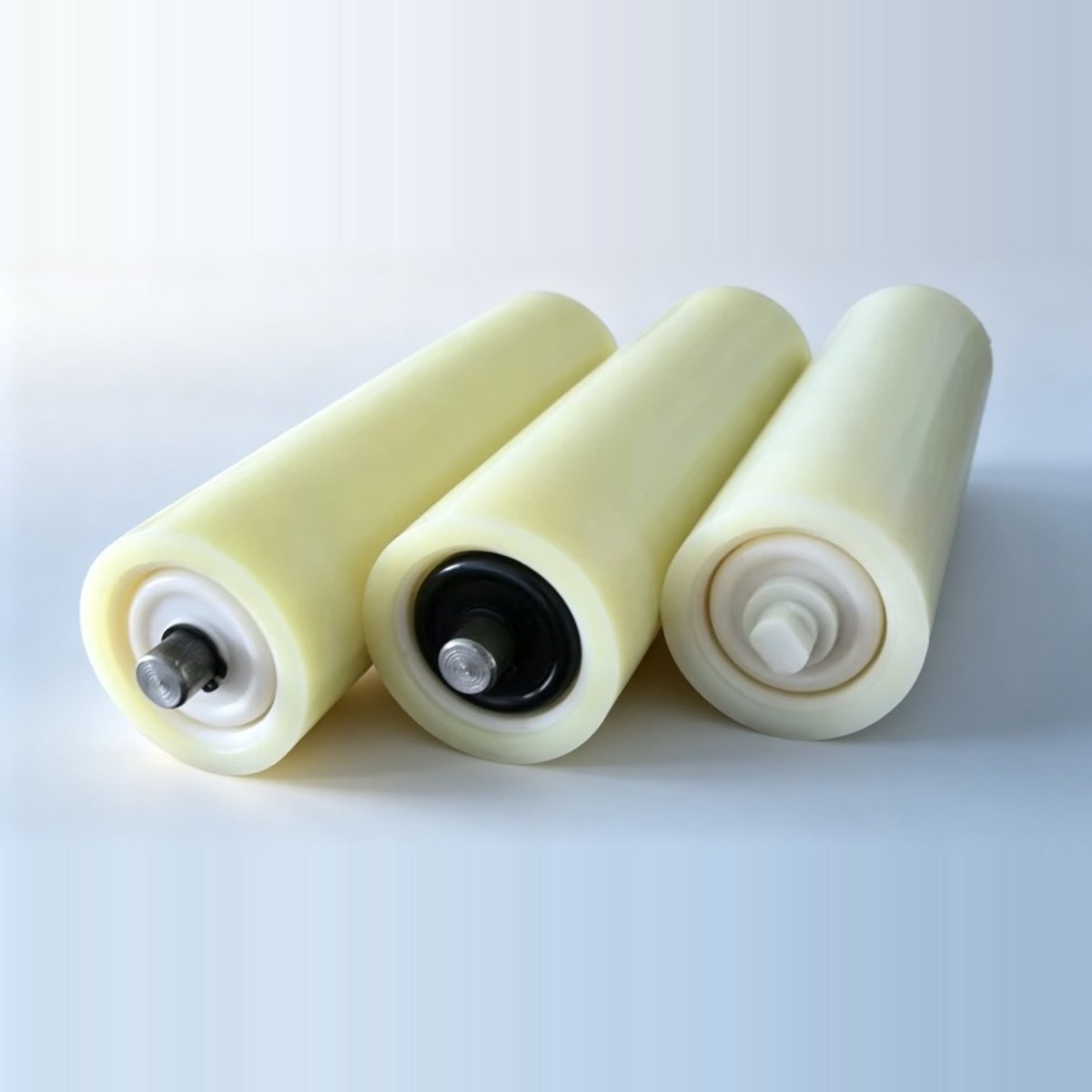
Nylon Idler
Corrosion-proof roller for coastal and washdown duty — no rust, no seizure.
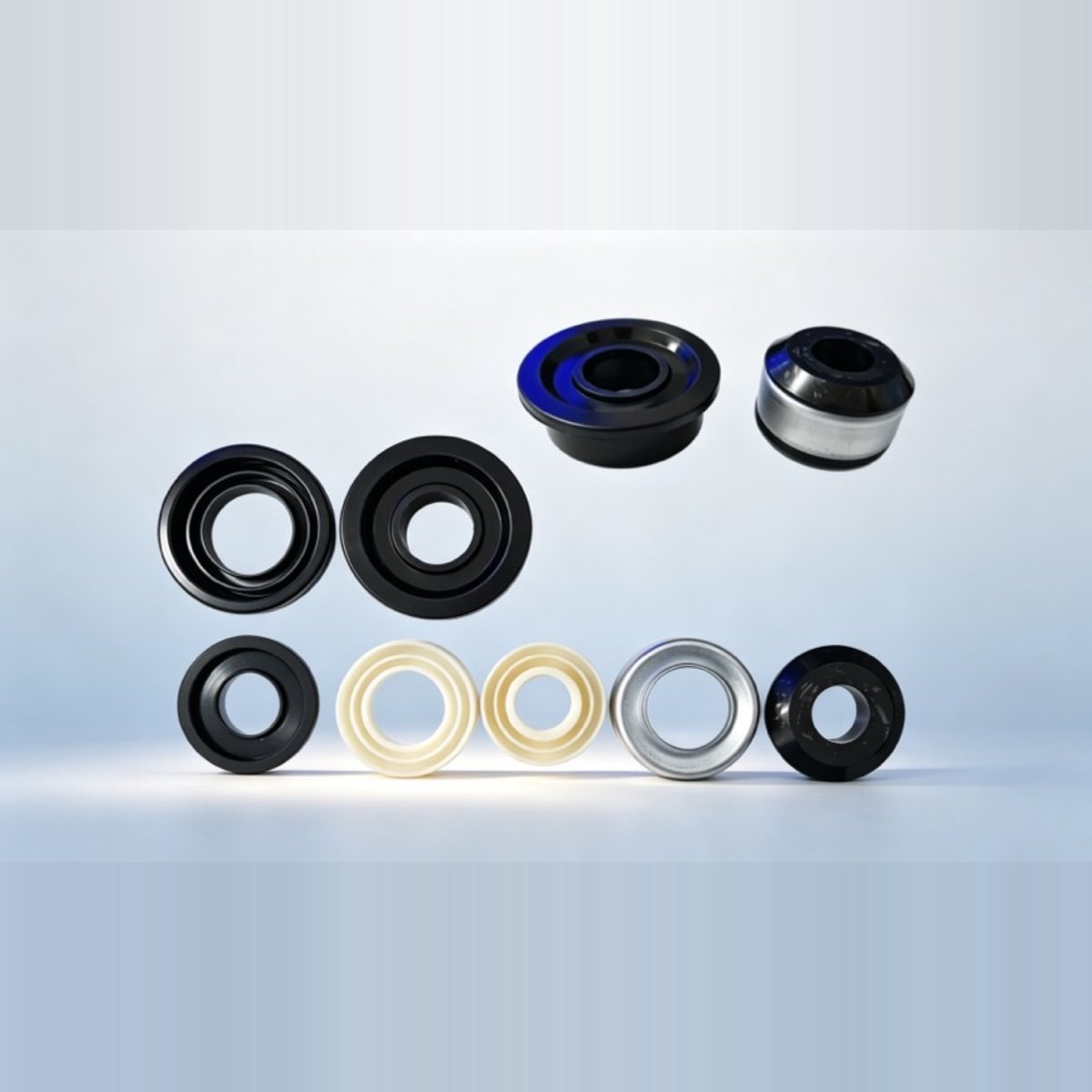
Nylon Seal
Corrosion- and abrasion-resistant seal option for wet, chemical-laden duty.
Lagged Pulleys
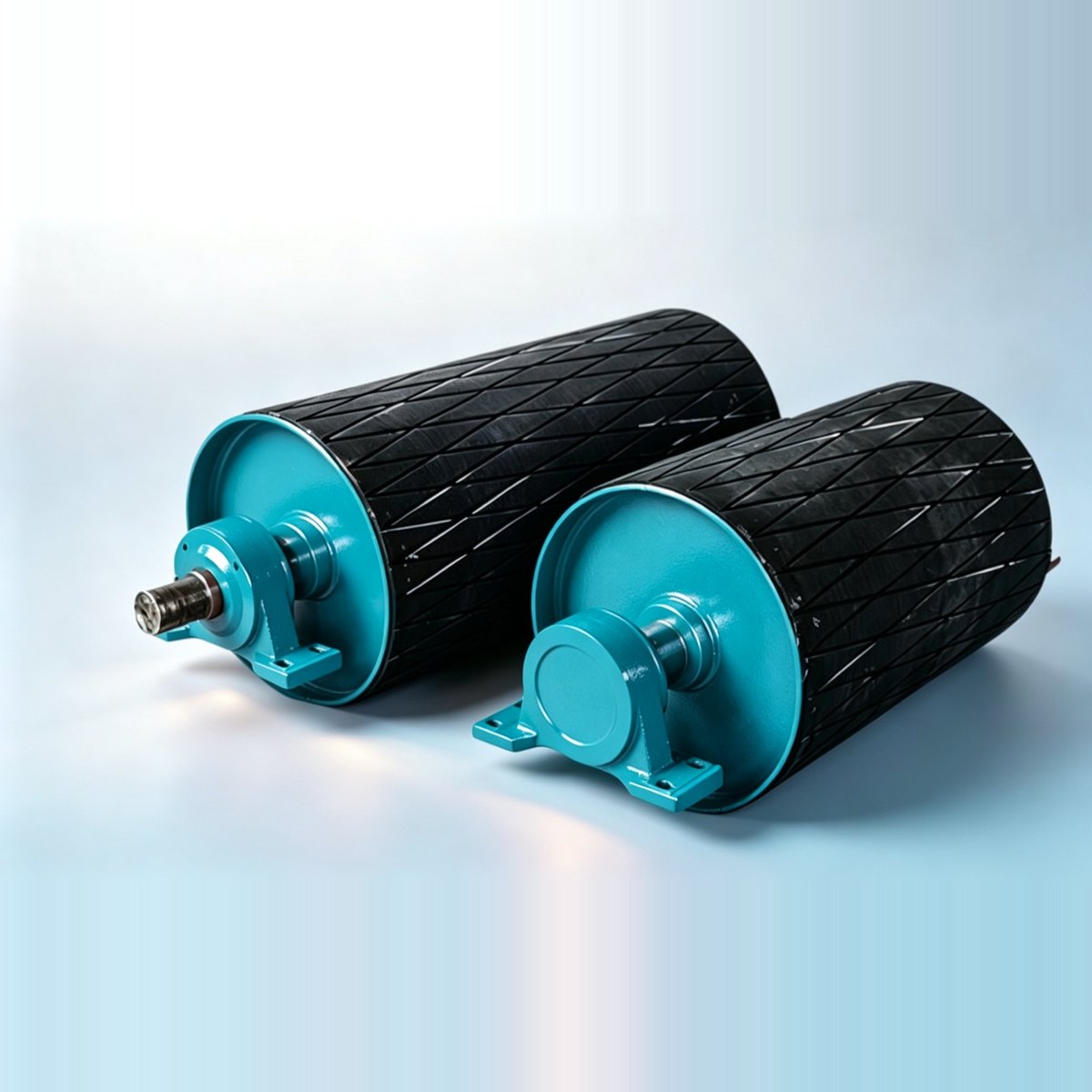
Lagged Drive Pulley
Rubber-lagged for grip on wet belts and high-startup torque at ship loaders.
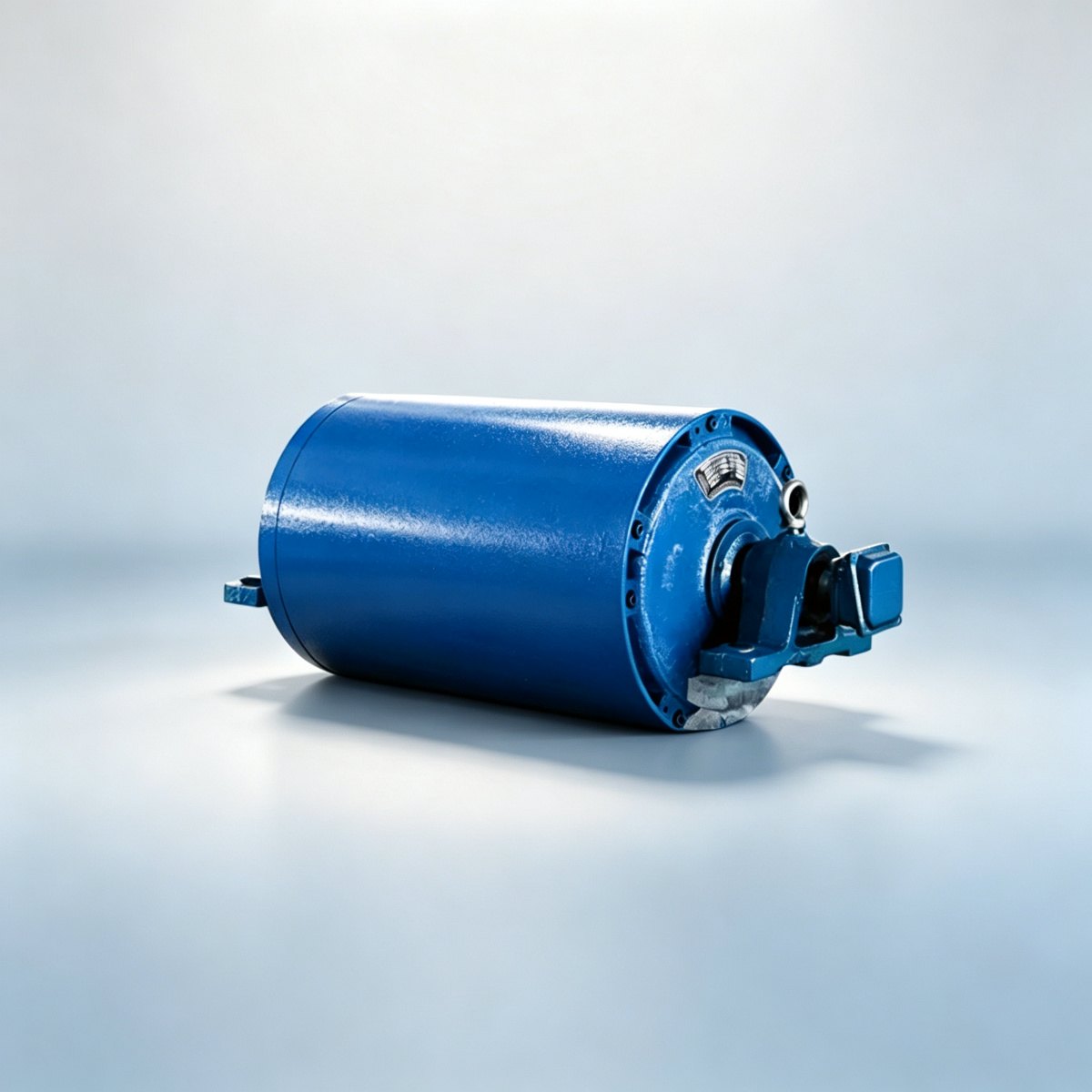
Drive Pulley
Rubber-lagged, dynamically balanced pulley for high-torque conveyors.
Brush & Secondary Cleaning
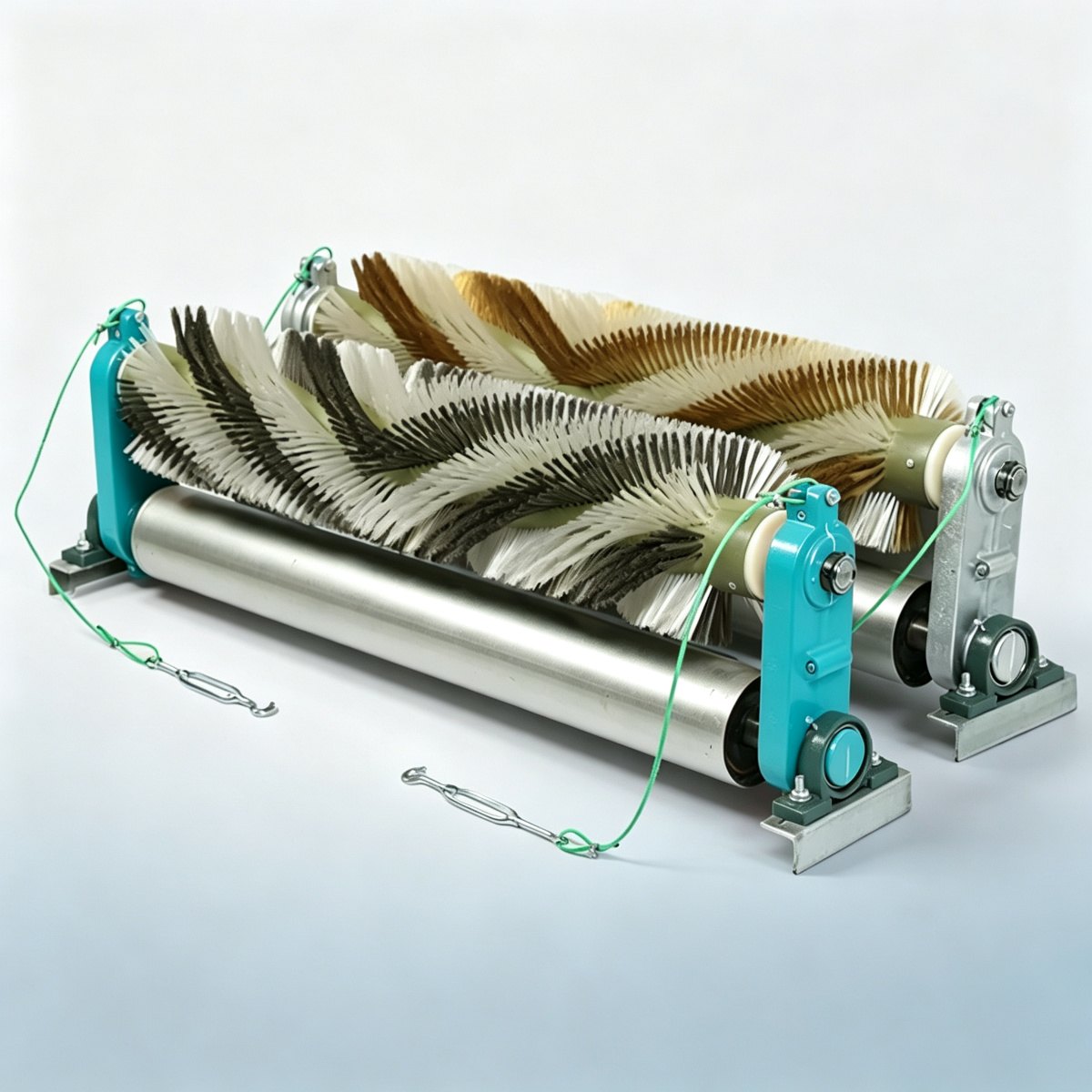
Rotary Brush Cleaner
Motorised brush that lifts caked, sticky material ordinary scrapers miss.
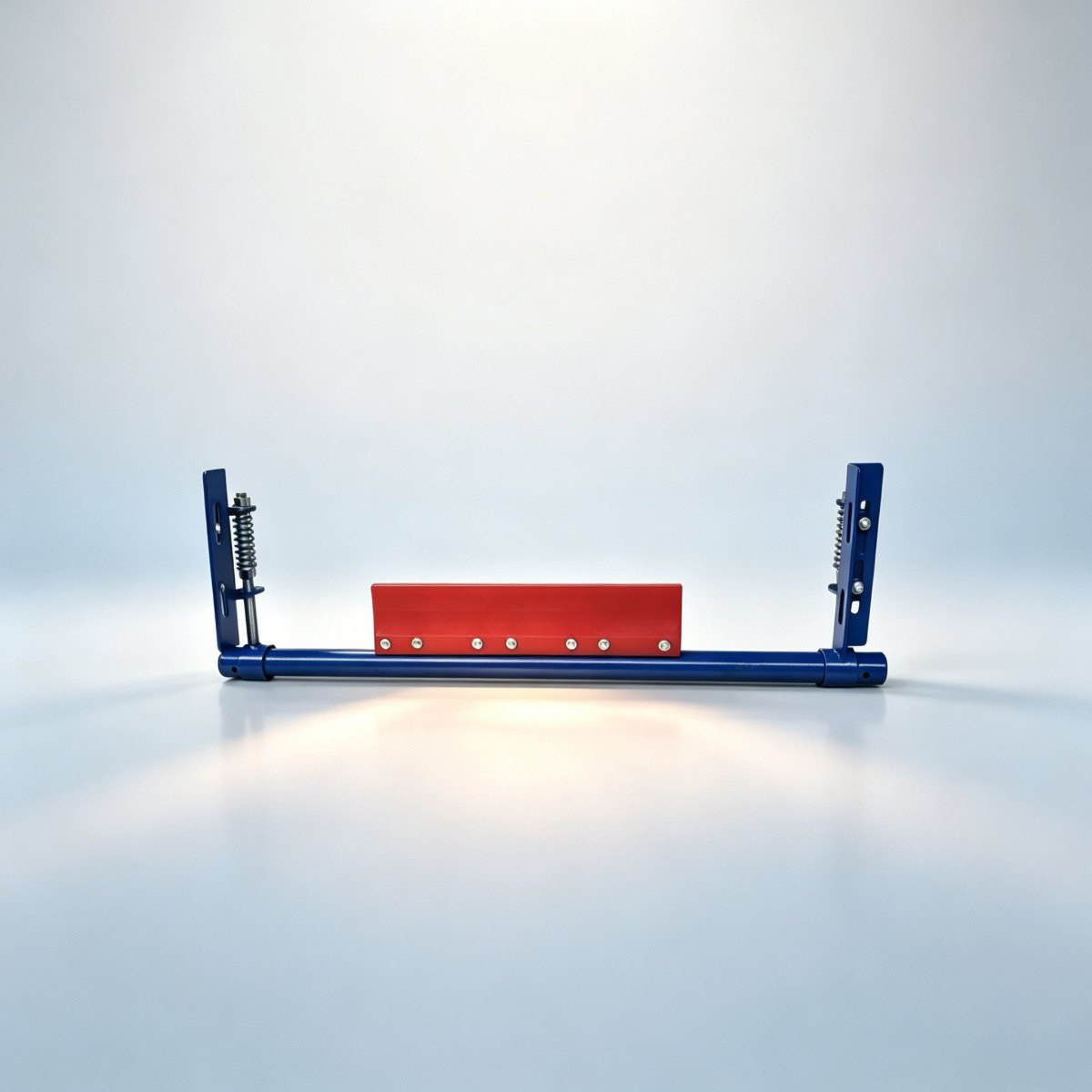
Secondary Cleaner
Fine scrapers that remove residual carryback after the primary blade.
Self-Training Idlers
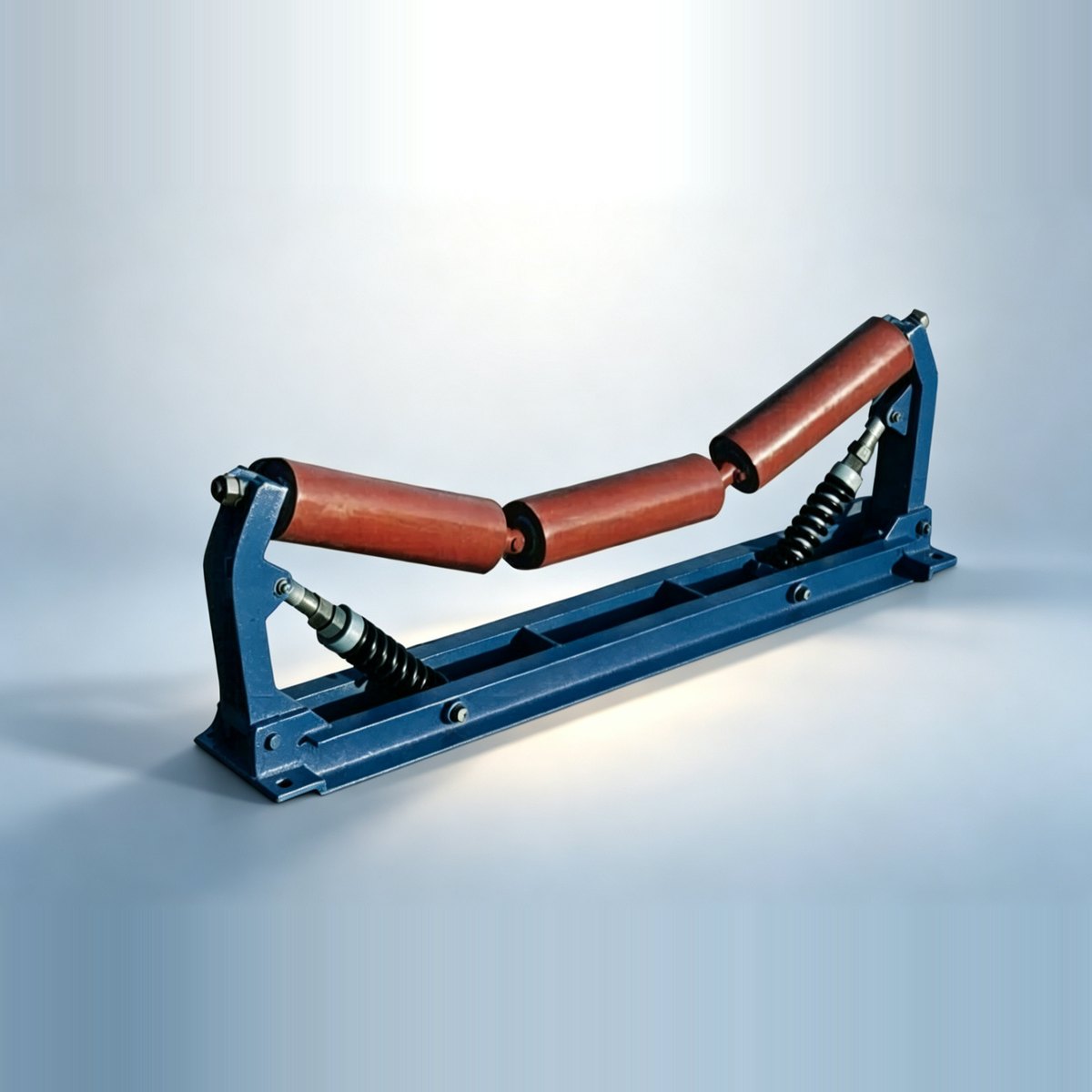
Spring Training Idler Set
Self-aligning set that corrects mistracking under load.
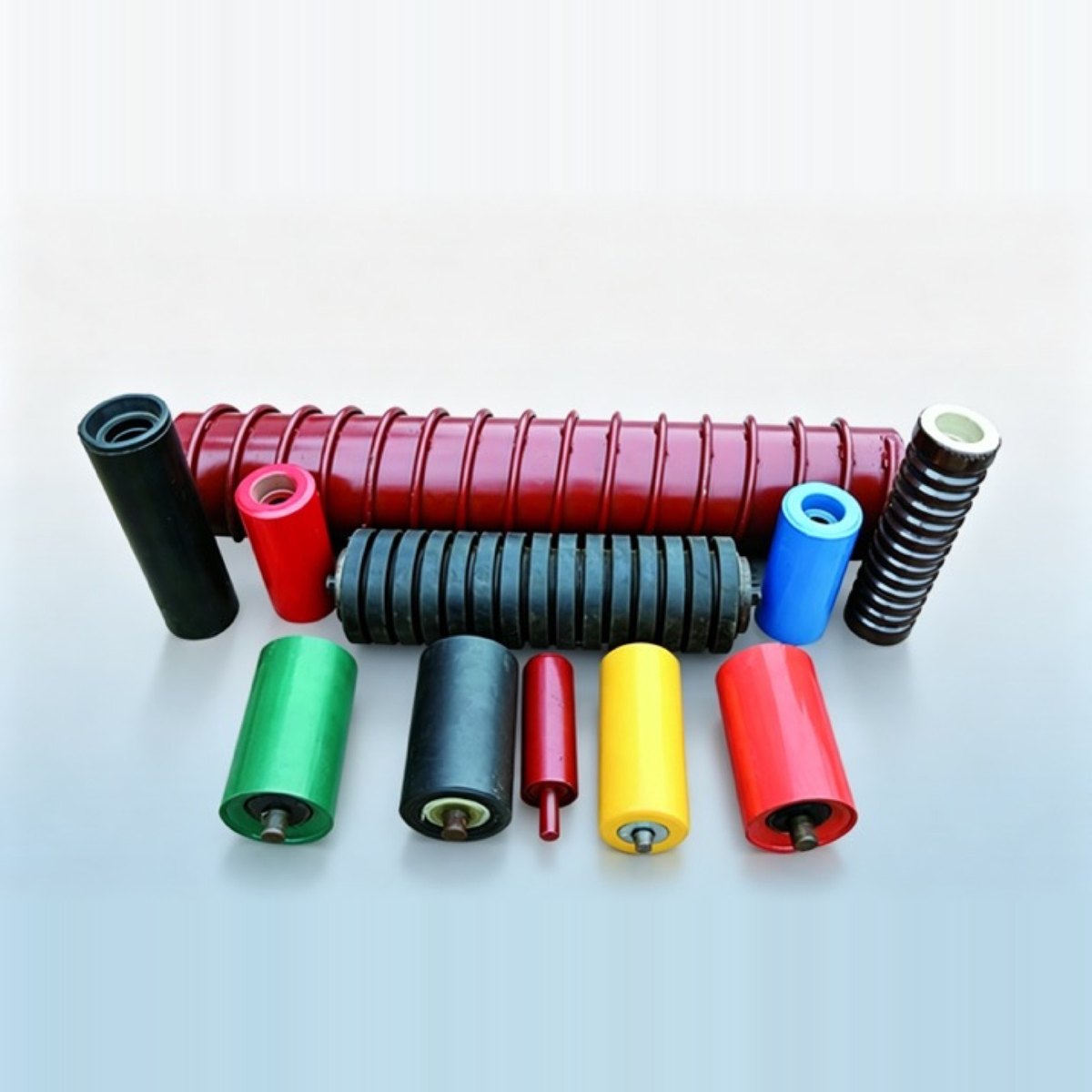
Spiral Idler
Self-cleaning spiral return roller that sheds sticky build-up.
Selection Reference
Typical Specifications
A starting point for inquiry. We confirm exact shaft, seal and lagging options against your belt width, speed and tonnage.
| Parameter | Common Range | Notes |
|---|---|---|
| Belt width | 1000 – 2200 mm | Ship-loader and stacker-reclaimer belts |
| Idler material | Steel / Nylon | Nylon for corrosive coastal zones |
| Pulley lagging | Rubber, 12–20 mm | For wet-start grip |
| Cleaner type | Primary + rotary brush | For sticky, hygroscopic cargo |
| Training | Self-aligning sets | Every 30–50 m on long galleries |
Why HBXM for This Sector
Certified for Demanding Duty
Process industries leave no room for unproven parts. Our credentials are built for acceptance and reliability.
MA
Coal Mine Safety Certification — accepted for underground & surface coal conveyors
ISO 9001
Documented quality control from raw steel to finished roller
50+ Countries
Field-proven in Russia, CIS, SEA, Middle East coal operations
OEM / ODM
Custom diameters, shafts, paint and branding for EPC contractors
Common Questions
Sector Conveyor FAQ
What materials resist salt-spray corrosion?
Nylon idlers and nylon-sealed housings are non-metallic and will not rust in coastal service, making them ideal for terminals exposed to salt spray.
How do you clean sticky, caking cargo?
A primary scraper plus a motorised rotary brush cleaner removes caked material that ordinary blades leave behind, cutting carryback and dust.
Can training idlers stop long-line mistracking?
Yes. Spring self-training idler sets actively realign the belt and are recommended every 30–50 m on long gallery conveyors.
Do you support 24/7 terminal throughput?
Components are built for continuous duty with sealed bearings and balanced pulleys; we also supply spare kits to keep ship loaders running.
Specifying a Conveyor Line for This Sector?
Send us your belt width, tonnage and duty conditions — we return a matched idler, buffer and cleaning package with the right materials for your environment.